Chemistry basics without the jargon trap
Acidic stains, alkaline soils, and oxidizing agents are different tools. Using the wrong pH can set a stain. That is why random grocery sprays sometimes make coffee or wine worse. Professionals sequence pretreat, dwell, agitation, and rinse. DIY is fine for fresh, simple spills; complicated or large stains deserve sequenced chemistry.
Subfloor and pad decisions
If urine reached subfloor, sealing may be required after pad replacement. Cleaning alone will not encapsulate odour in porous wood forever. Ask whether the cleaner partners with flooring installers for tear-out or only treats what can be reached through the face yarn. Clear scope prevents surprise invoices.
Children’s rooms and daycare soils
Juice, markers, and craft paints show up in kids’ spaces. Some are permanent dyes. Spot test any oxidizer on an inconspicuous corner. Keep a blot kit upstairs so spills do not sit overnight. Professional visits before birthday parties or after potty-training regressions are common booking triggers—mention timelines so chemistry matches how long the stain has aged.
Commercial spill response
Restaurants and clinics have different soil and sanitation needs. This site focuses on residential and light commercial carpet stains. Specialized biohazard or category flood work belongs to restoration contractors. Do not stretch a spot-clean quote into a water-damage claim without the right credentials.
Building a stain history for the estimator
List each spot: what it is, when it happened, products tried, and whether odour returns in humidity. Attach photos. That history lets the technician bring the right spotters and quote pad work only where needed instead of guessing at the door.
Carpet stain removal in Medicine Hat
Stains are why many people finally call a cleaner. Pet urine, red wine, coffee, and blood each behave differently in fibre and pad. This page covers what professionals can realistically remove, why quotes diverge, and when replacement beats another cleaning—without promising 100% results this brand has not verified.
Pet urine: surface vs pad
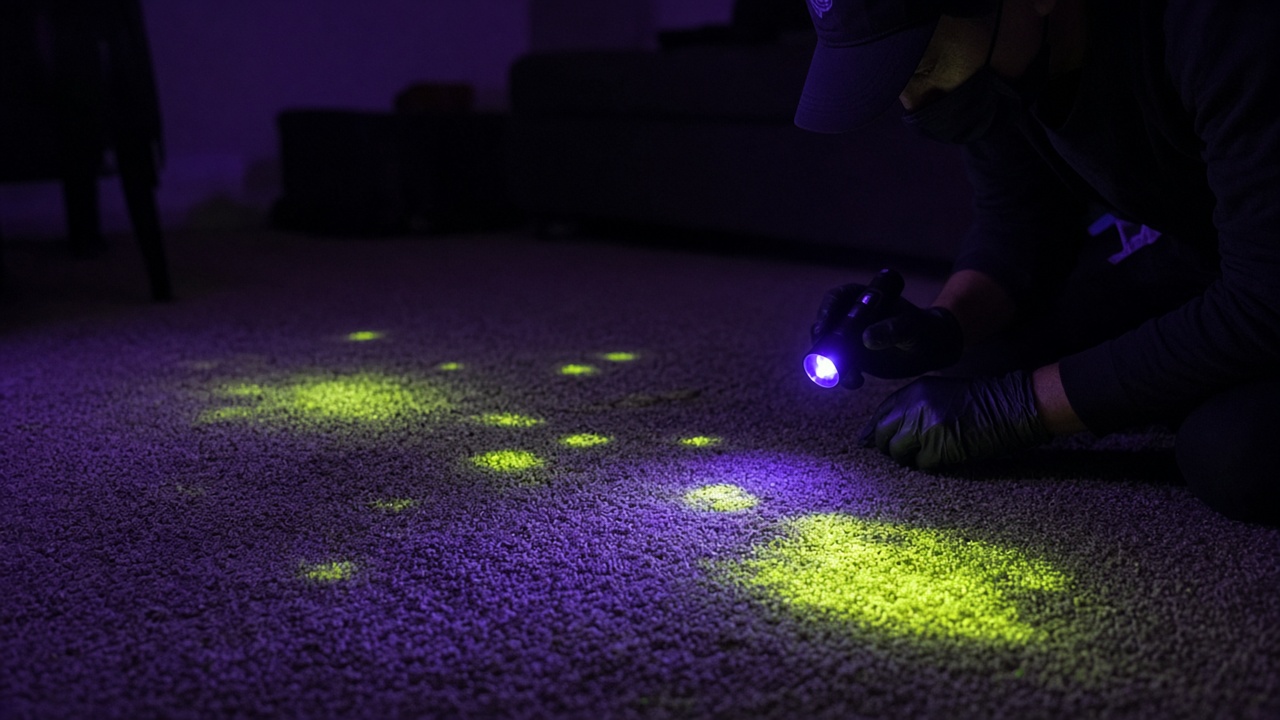
Urine salts travel into pad and sometimes subfloor. Enzyme pretreat plus extraction can improve light or recent accidents. Chronic odours that return after a “deodorizer” often mean the source is still under the carpet. Sub-surface extraction tools (sometimes called a water claw) flood and pull through the pad. That work takes longer and costs more than a standard room clean—and still may not beat pad replacement when saturation is severe.
Why two urine quotes can be hundreds apart
Homeowners on carpet-cleaning forums routinely see one bid near a few hundred dollars and another near seven hundred or more for the same rooms. The higher number often includes pad flushing; the lower may be top-fibre only. Make bids comparable: ask about UV mapping, enzyme products, pad treatment, and verification of pad moisture after the job.
Red wine and tannin drinks
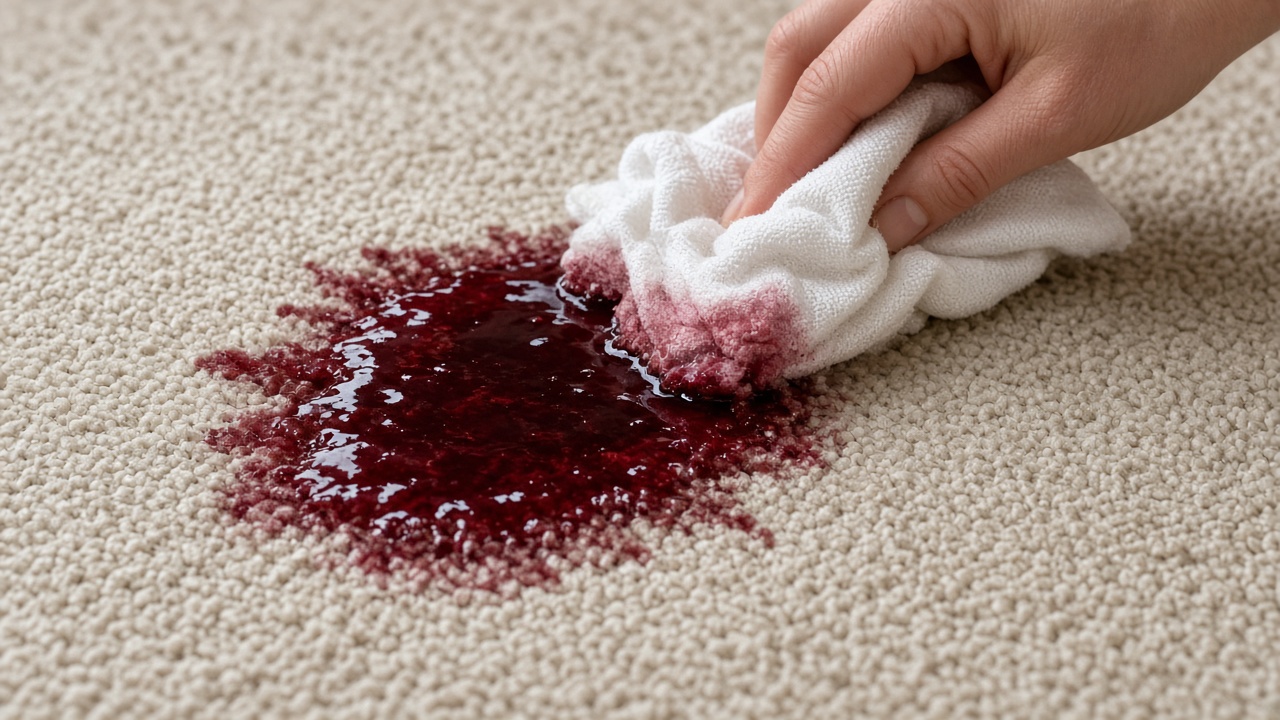
Act fast. Blot—do not rub. Cold water, mild dish soap, and carefully tested peroxide mixtures appear often in homeowner threads; professionals use targeted spotters and extraction. Success depends on fibre, dye, and time. Some bright drink dyes permanently discolor carpet even when soil is gone.
Coffee shadows
Old coffee stains often need repeated dilute-and-extract cycles. Heat and time set tannins. DIY sprays that leave residue can attract new soil. Professional extraction helps when a shadow remains after home efforts.
Blood and protein stains
Use cold water only—heat sets proteins. Hydrogen peroxide can help but may lighten fibres; limit dwell time and rinse. Large bio hazards may warrant a professional rather than aggressive DIY.
Guarantees and permanent damage
No ethical cleaner can guarantee every spot disappears. Wear areas stay darker when clean. Competitors in Medicine Hat openly state that some substances permanently discolor fibres and that urine in pad may not fully clear from the surface alone. Expect the same honesty here.
Deodorizers vs enzymes
Masking fragrances without breaking down urine salts usually fail. Ask whether “deodorizer” means enzyme chemistry plus extraction or a scent spray.
Rent a machine or call a pro?
Rental extractors help fresh spills if you rinse thoroughly and dry fast. Chronic urine, large areas, and repeated wicking usually need professional heat, vacuum, and chemistry. Over-wetting with a weak machine can make odours worse.
When replacement is smarter
Carpets often reach the end of useful life after roughly ten to fifteen years of hard use. Wide urine saturation in pad and subfloor can make replacement and sealing cheaper than endless cleans. An on-site look helps decide. Pair stain work with a full carpet cleaning when traffic soil is also present.
- Photograph stains before treatment
- List DIY products already used
- Flag pet areas and timelines
- Ask for written scope: surface vs pad
Call (403) 999-9999 to describe the stain. Share what spilled, how long ago, and what you have already tried.
Wicking after a “successful” clean
Sometimes a stain looks gone when damp and reappears as the carpet dries because residue wicked up from backing or pad. Report wicking quickly within whatever callback window the cleaner offers. A second rinse extraction may help; repeated failure on the same spot can signal dye loss or pad contamination that cleaning will not fix.
Ink, paint, and mystery spots
Solvent-based spots need different chemistry than food soils. Guessing with bleach or undiluted peroxide risks irreversible lightening. Spot-test, blot, and escalate to a pro when the stain is large, unknown, or on light carpet you care about.
Rental deposits and documentation
If you are cleaning for a move-out, photograph stained areas before and after, keep invoices, and attend inspections when possible. Cleaning helps with soil and some odours; it will not erase worn paths or prove a landlord’s itemized claims wrong by itself. Pair cleaning with a thorough vacuum and spot treatment plan rather than a last-minute miracle.
Kids, pets, and prevention
Enzyme sprays designed for pet urine can help between pro visits if you blot thoroughly and avoid oversaturating pad. Keep a white cloth kit for wine and coffee. Teach kids to report spills immediately. Prevention is cheaper than pad replacement.
Talking to the technician
- When did the stain happen?
- What products did you already try?
- Is the odour worse when humidity rises?
- Has the carpet been stretched or patched before?
Those answers change chemistry choice and whether a surface clean is even the right product.
Medicine Hat pet households
Dogs tracked through gravel and thaw mud bring outdoor soil indoors; cats may choose quiet carpet corners. Combine entry mats with prompt accident response. Enzyme products help when used correctly—saturate the accident zone enough to reach pad for fresh events, then blot and dry. Old events need professional assessment. Do not mix random cleaners on the same spot; residue conflicts create new stains.
If you are preparing a home for sale, disclose known pet history to the cleaner so quotes include honest odour work. Buyers notice smell faster than visual stains.
Party spills and holiday timing
Wine and dark sodas appear at gatherings. Keep a spill kit: white cloths, cold water, mild dish soap, and a plan to call if the stain is large. Booking a post-holiday carpet clean for traffic soil plus targeted spotting is often smarter than emergency overnight promises this brand has not verified.
How stain removal fits the rest of the site
Spot work without soil cleaning can leave a clean island in a dirty room that resoils faster. Many households should pair stain treatment with full carpet cleaning. Upholstery stains belong on the upholstery page logic—codes first. Rug stains may need plant care described under area rugs.
Ethical limits we will keep repeating
Permanent dyes, worn fibre, and saturated pads set hard limits. Competitors in Medicine Hat already say this in FAQs. We will too. Call (403) 999-9999 for an estimate that describes those limits in plain language rather than a guarantee that collapses under humidity the next week.
Extended decision tree for pet odour
If the accident is fresh and still wet, blot and use an enzyme product designed for pet urine, then dry thoroughly. If the odour returns when the furnace runs or humidity rises, suspect pad involvement. If multiple rooms smell, budget for inspection rather than room-by-room guesswork. If the carpet is near end of life, get replacement quotes beside cleaning quotes before spending on heroic pad flushes.
Water-claw style work can be the right middle path when you want to keep carpet that is otherwise in good shape. It is not a guarantee. Moisture left behind creates new problems—drying discipline matters as much as the flush itself.
Stain photography tips
Shoot in daylight without heavy filters. Include a wide shot for location and a close shot for texture. Note the time since the spill. Those details change chemistry and expectations more than any marketing adjective on a flyer.
Coordination with full-house cleaning
Technicians often pretreat spots during a whole-home clean. Standalone emergency spotting is different productization—confirm fees. If you only need one wine spot treated, say so; if the whole main floor is grey with dust, do not expect spot work alone to make the room look reset.
Final honesty check
We will keep saying what Medicine Hat competitors already admit in public FAQs: some stains are permanent, some urine lives below the carpet, and worn fibre stays worn. Call (403) 999-9999 when you want a scoped estimate that respects those limits. Guarantees without conditions are marketing, not cleaning science.
One more note on expectations
Stain removal is detective work plus chemistry. The best outcome is an honest plan: what will likely improve, what might remain, and what would require pad or carpet replacement. That plan is worth more than a cheerful guarantee. Call (403) 999-9999 with photos and a short history of the spill so the estimate matches reality in Medicine Hat homes.
Stain removal FAQs
Can professionals remove dog or cat urine smell completely?
Surface urine can often be improved with enzymes and extraction; urine that soaked the pad and subfloor may not fully clear without sub-surface extraction or pad replacement. Honest cleaners say so up front.
Why do pet-urine quotes differ so much?
The higher quote often includes pad flushing or water-claw work; the lower may be top-fibre only. Compare whether UV mapping and pad treatment are included.
What's a water claw?
A tool that floods and extracts through the carpet into the pad to pull urine from below the face fibres. It takes longer and costs more than a standard clean.
Will red wine come out of carpet or rug?
Act fast: blot, don't rub. Home remedies people report include cold water, dish soap, and carefully tested peroxide mixtures. Professionals use targeted spotters; success depends on fibre and time.
How do I get an old coffee stain out?
Dilute and extract repeatedly with soap and water plus wet vac, then spotter; residue and tannin set with heat and time. Professional extraction helps when DIY leaves a shadow.
Blood on carpet — cold water or heat?
Cold water only — heat sets protein stains. Hydrogen peroxide can help but may lighten fibres; blot and rinse; large bio hazards may warrant a professional.
Can you guarantee every spot will disappear?
No ethical cleaner can. Some dyes (bright drinks, Kool-Aid) permanently discolor fibres; wear areas stay darker even when clean.
Do deodorizers fix pet odour?
Masking deodorizers without breaking down urine salts usually fail; enzyme plus thorough extraction (and pad work when needed) matter more.
Should I rent a machine for stains or call a professional?
Rental units help fresh spills if you extract thoroughly and dry fast; chronic urine, large areas, or repeated wicking usually need professional heat, vacuum, and chemistry.
When is replacing the carpet smarter than cleaning?
If carpet is worn out (often about 10–15 years of hard use) or urine saturates pad and subfloor widely, replacement and sealing can beat endless cleanings. A professional inspection helps decide.